

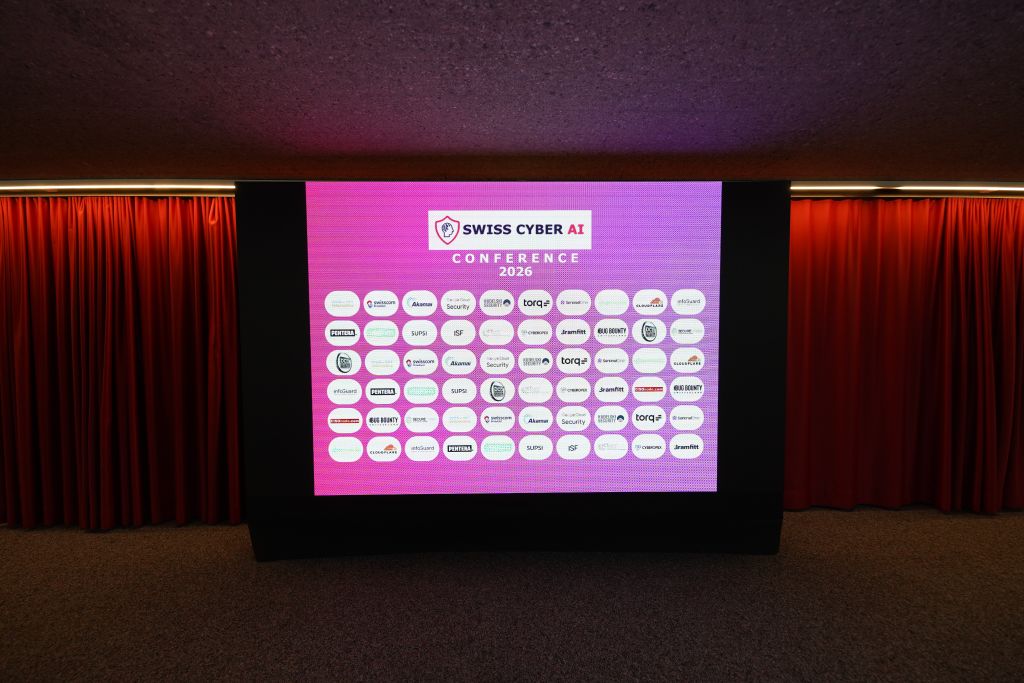
On 14 April 2026, Lugano became the meeting point for some of the most influential voices in cybersecurity and artificial intelligence. The Swiss Cyber AI Conference, hosted at the Palazzo dei Congressi, brought together CISOs, CIOs, founders, researchers, technology leaders, and innovators for a day built around one central idea: understanding how AI is reshaping cyber risk, defence, governance, and business leadership.
With more than 500 participants and over 40 speakers from across Europe, the event established itself as the largest AI conference in Switzerland, marking a major milestone for both the Swiss innovation ecosystem and the broader European cybersecurity community.
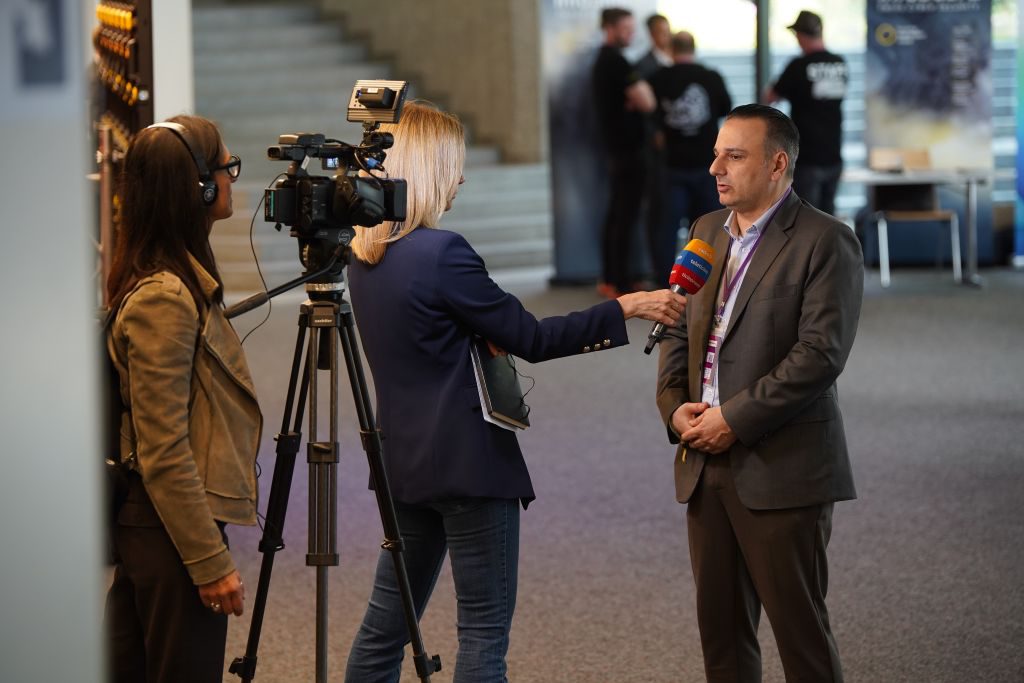
What made the event especially compelling was not only the quality of the panels and keynotes, but also the strong media and business attention surrounding it. The conference included an interview with TeleTicino featuring Gianclaudio Moresi, founder of the event, offering a direct perspective on the vision behind Swiss Cyber AI and on why the convergence of cybersecurity, artificial intelligence, and leadership has become such a critical topic for companies and institutions today. This media presence gave the event an even broader regional and strategic relevance.
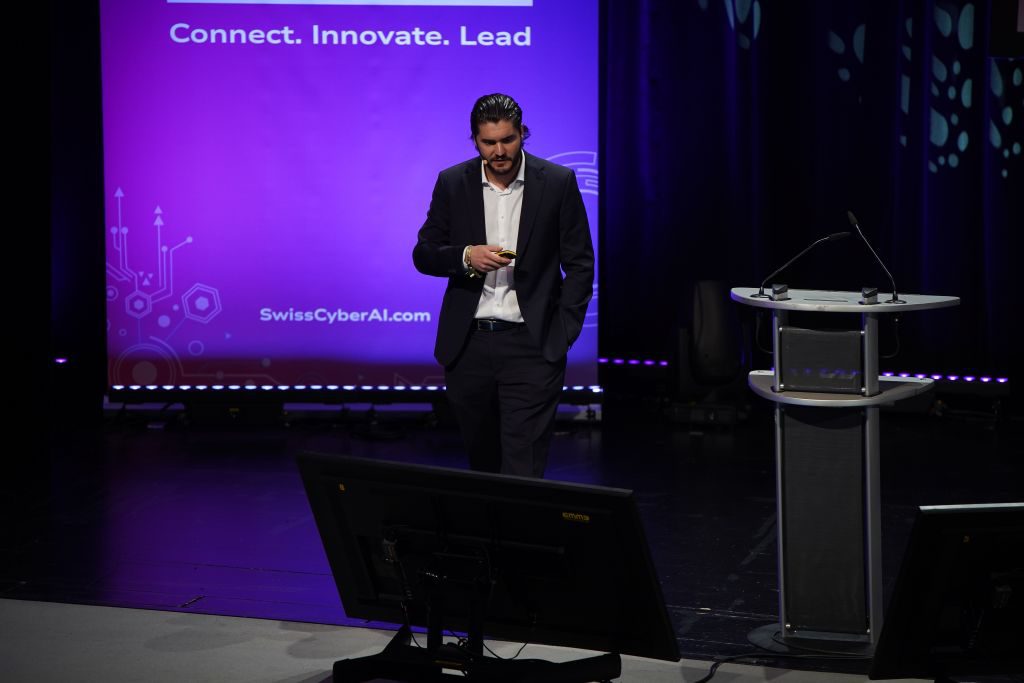
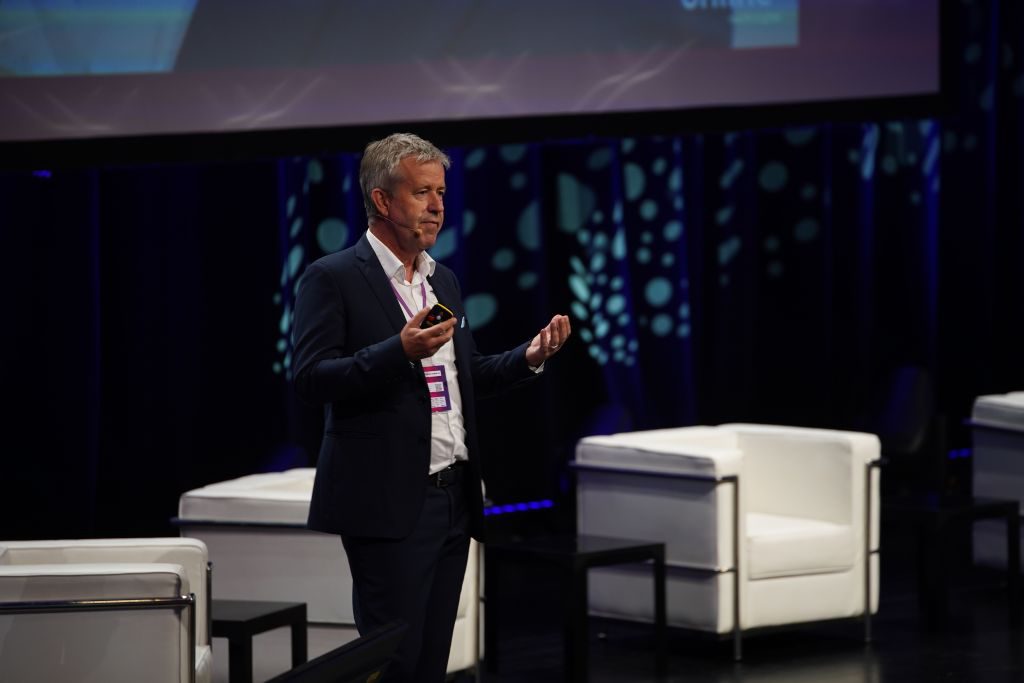
The conference stage itself reflected that ambition. Among the notable moments were the speech by Christian Serra, who addressed key questions around AI governance and ethical challenges in security, and the talk by Balz Zürrer, focused on the journey from strategy to reality in transforming a company into an AI-first organisation. These contributions helped connect executive vision with operational reality, which was one of the strongest characteristics of the event as a whole.
From the opening sessions onward, Swiss Cyber AI positioned itself as more than a traditional conference. It was a platform for practical dialogue. Attendees were not there simply to hear abstract predictions about AI. They came to explore real-world threats, concrete defence models, governance questions, crisis management, and the future of security operations in an AI-driven world.
A major strength of the event was its balance between strategic and technical content. Panels explored how attackers are weaponising AI, how defenders are responding with AI-enabled detection and automation, and how leaders must rethink accountability when AI systems fail. The agenda also extended into highly practical afternoon sessions, including dedicated tracks on cybersecurity, artificial intelligence, and executive tabletop exercises.
Another standout element was the atmosphere. Swiss Cyber AI managed to combine high-level professional depth with a sense of momentum and community. The presence of leading sponsors, experienced practitioners, respected researchers, and engaged participants created a setting that felt both ambitious and relevant. It was clear that the conference was not built around hype, but around the need for actionable discussion.
The Swiss Cyber AI Awards and the networking moments that followed further reinforced the event’s mission: to highlight real innovation, reward measurable impact, and create stronger links between ideas, technology, and leadership.
In many ways, Swiss Cyber AI Conference 2026 showed that Lugano is capable of hosting a conference with genuine international relevance. With strong media visibility, a founder-led vision clearly articulated through the TeleTicino interview, more than 500 attendees, and over 40 speakers from across Europe, the event successfully positioned itself as a serious and engaging new reference point in the European cyber and AI landscape.